

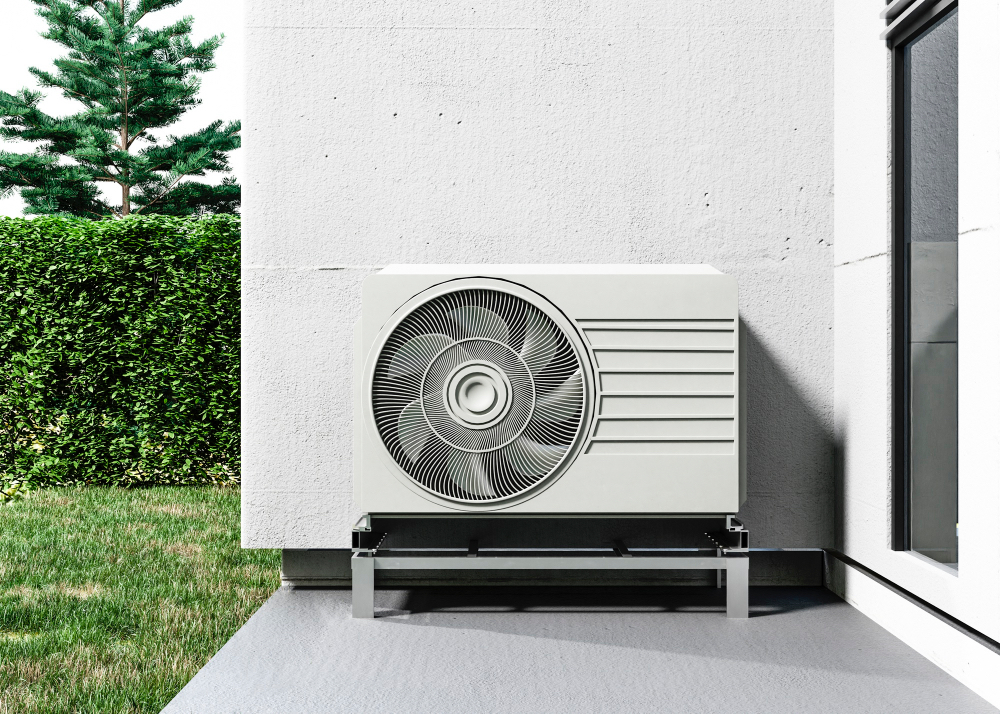
A low carbon heating system is a way of heating your home that produces fewer carbon emissions than traditional gas or oil heating. This means that rather than relying on fossil fuels, low carbon systems use electricity, renewable energy or highly efficient technology to provide heating and, in some cases, hot water. These are becoming an increasingly popular choice for those looking to improve energy efficiency and reduce their environmental impact. But what are the different low carbon heating systems? And how do they work?
What makes a heating system “low carbon”?
Traditional heating systems, such as gas and oil boilers, generate heat by burning fossil fuels. This process releases carbon dioxide (CO₂) into the atmosphere, contributing to climate change. In contrast, low carbon heating systems use renewable energy sources or advanced technology to produce the same level of heat while generating significantly fewer emissions.
What are the most common types of low carbon heating systems?
There are several heating technologies that are considered low carbon, each offering different advantages depending on the property. The most suitable choice for your property will depend on a number of different factors such as the size of your home, insulation levels and the existing heating system. Some of the most common options include:
- Air source heat pumps
- Ground source heat pumps
- Air to air heat pumps
- Electric heating systems powered by renewable electricity
- Hybrid heating systems that combine a heat pump with a conventional boiler
How do low carbon heating systems work?
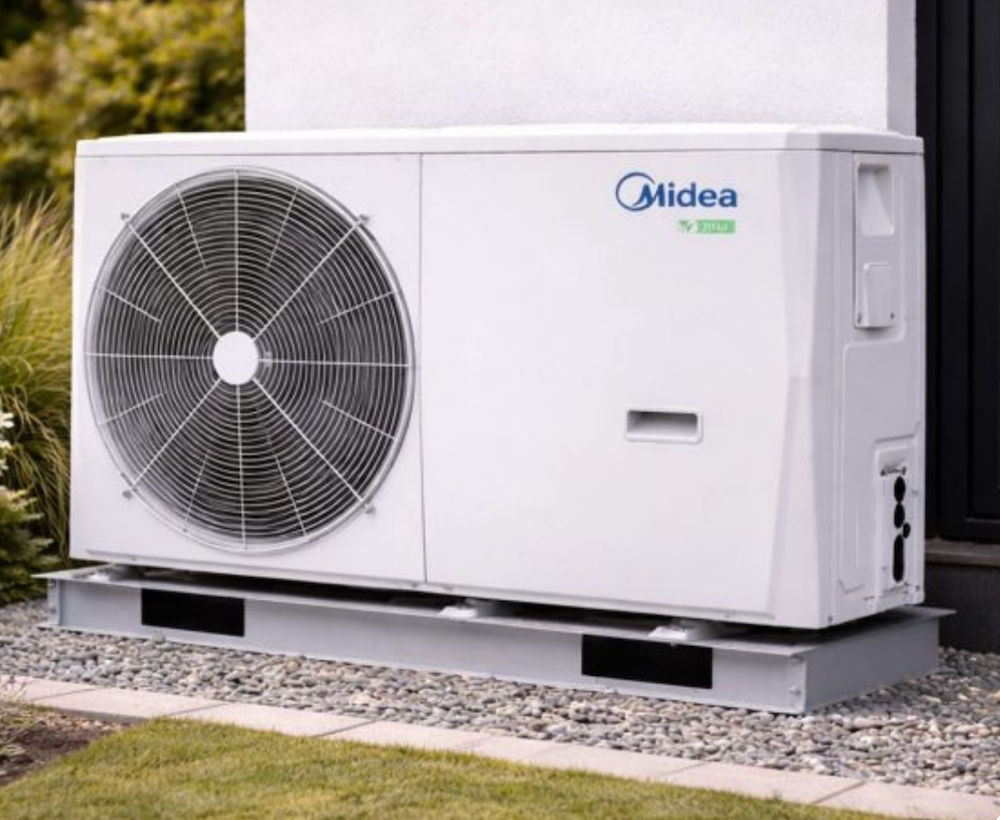
Many low carbon heating systems do not generate heat in the traditional sense. Instead, they transfer heat from natural sources such as the air or the ground into the home. For example, heat pumps extract naturally occurring heat energy from outside, even during colder weather, before increasing its temperature and distributing it throughout the property.
Because they move heat rather than create it by burning fuel, they can operate far more efficiently than many conventional heating systems.
Why is insulation important?
A low carbon heating system performs best in a well-insulated home. This is because if a property loses heat quickly through the roof, walls or floors, the heating system has to work harder to maintain a comfortable temperature. For this reason, homeowners often improve insulation before or alongside installing a low carbon heating system. This may include:
- Loft insulation
- Cavity wall insulation
- Solid wall insulation where appropriate
- Draught-proofing around doors and windows
What are the benefits of low carbon heating systems?
Installing a low carbon heating system can offer a number of long-term advantages. These include:
- Reduced carbon emissions
- Improved energy efficiency
- Lower reliance on fossil fuels
- Potential savings on running costs, depending on the system and property
- Compatibility with renewable electricity sources such as solar panels
So what is a low carbon heating system?
A low carbon heating system is a heating solution designed to produce fewer carbon emissions than traditional gas or oil heating. By using renewable energy or highly efficient technology, these systems can heat your home while reducing its environmental impact.
If you’re looking for a sustainable way to heat your property, low carbon heating systems are becoming an increasingly attractive option. When combined with effective insulation and professional installation, they can provide efficient, reliable heating for many years to come.
If you’re looking for expert advice on improving your home’s energy efficiency or installing a low carbon heating solution, get in touch with ECO Home Insulation today.