

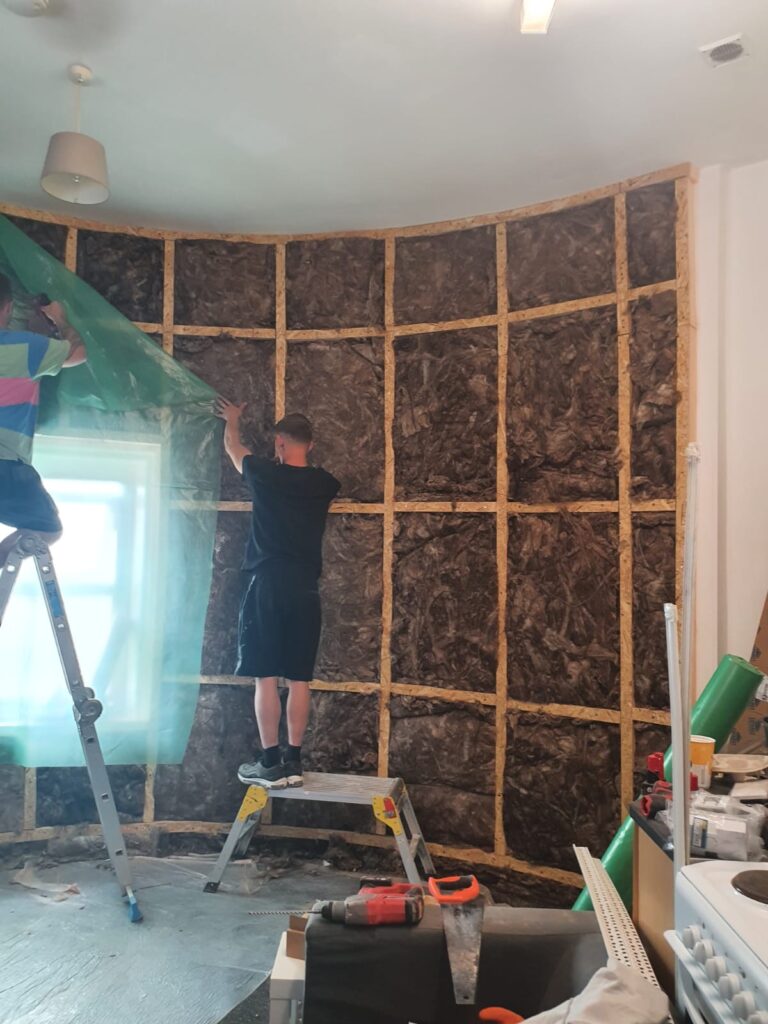
If you live in an older property, solid wall insulation can be an effective way to improve energy efficiency and make the home more comfortable. While it typically involves a greater upfront investment than loft or cavity wall insulation, it can significantly reduce heat loss in properties with solid walls. But is solid wall insulation worth it? And why should you consider this insulation option for homes built before the 1920’s?
Understanding solid walls
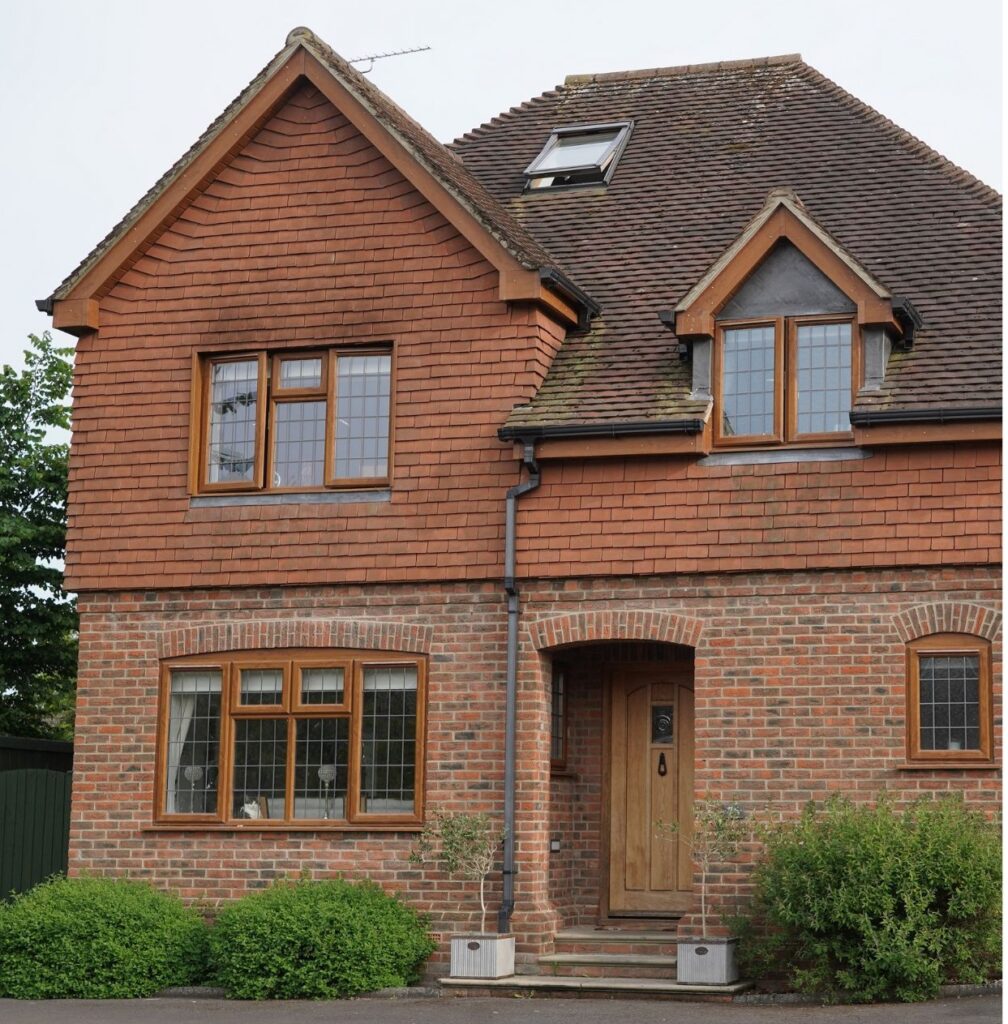
Unlike cavity walls, which have a gap that can be filled with insulation, solid walls are constructed from a single layer of masonry. This was incredibly common for homes built before the 1920’s, and because there is only one layer, more heat can escape, making solid walls one of the largest sources of heat loss in older properties.
It also means that as there is no cavity to fill, solid walls usually need to be insulated with either internal wall insulation or external wall insulation.
Reducing heat loss
One of the biggest advantages of solid wall insulation is its ability to reduce heat escaping through external walls. Since walls account for a significant proportion of a home’s overall heat loss, insulating them can make a noticeable difference.
By slowing the transfer of heat, solid wall insulation helps your home retain warmth for longer. This means your heating system doesn’t have to work as hard to maintain a comfortable indoor temperature. As a result, you may benefit from:
- Lower heating demand
- Improved energy efficiency
- More consistent indoor temperatures
- Greater comfort during colder months
The exact savings will vary depending on the property and how it is heated, but reducing heat loss is one of the primary reasons people choose to install solid wall insulation.
Improving comfort throughout the home
Many owners of older properties find that some rooms are difficult to keep warm, particularly those with external walls exposed to cold weather. Solid wall insulation can help create a more comfortable living environment by reducing cold surfaces and improving the overall temperature of individual rooms. Some of the benefits include:
- Warmer rooms throughout winter
- Fewer cold spots near external walls
- A more even temperature across the home
- Reduced draughts when combined with other insulation measures
Internal and external wall insulation
There are two main ways to insulate solid walls, each with its own advantages.
Internal wall insulation involves fitting insulation boards or building an insulated stud wall on the inside of external walls. It is often chosen where preserving the external appearance of a property is important, such as in conservation areas or for certain period homes.
External wall insulation involves fixing insulation to the outside of the property before applying a protective render or decorative finish. This can provide excellent thermal performance while also improving weather protection and refreshing the property’s appearance.
The most suitable option depends on factors including the construction of the property, available space, planning considerations and budget.

Things to consider before installing
Although solid wall insulation offers many benefits, it is important that it is designed and installed correctly.
Older homes often rely on breathable building materials that allow moisture to move naturally through the walls. As a result, using unsuitable insulation systems or poor installation methods can increase the risk of damp or condensation. Before installing solid wall insulation, it is worth considering:
- The age and construction of your property
- Whether existing damp issues need addressing
- The importance of maintaining adequate ventilation
- Choosing materials that are suitable for the building
Professional assessment is particularly valuable for older or traditionally built homes.
Taking a whole-house approach
Solid wall insulation is often most effective when combined with other energy efficiency improvements throughout the home. This may include:
- Loft insulation
- Draught-proofing doors and windows
- Floor insulation where appropriate
- Upgrading heating controls
- Improving ventilation
By addressing multiple areas of heat loss, you can maximise both comfort and overall energy efficiency.
So is solid wall insulation worth it?
For many older UK homes, solid wall insulation can be a worthwhile investment. While the initial installation cost is higher than some other insulation measures, it can significantly reduce heat loss, improve comfort and increase the energy efficiency of the property. In general:
- Solid wall insulation can substantially reduce heat loss through external walls.
- It helps create a warmer and more comfortable home.
- Both internal and external insulation can provide effective solutions depending on the property.
- Correct installation and appropriate materials are essential, particularly for older buildings.
- Combining solid wall insulation with other energy efficiency improvements delivers the best overall results.
If your home has solid walls and you’re looking to improve its energy performance, solid wall insulation is well worth considering. When properly designed and professionally installed, it can provide long-term benefits for both your home and your energy bills.
If you’re looking for a reputable, trusted team for your home insulation, get in touch with ECO Home Insulation today.