

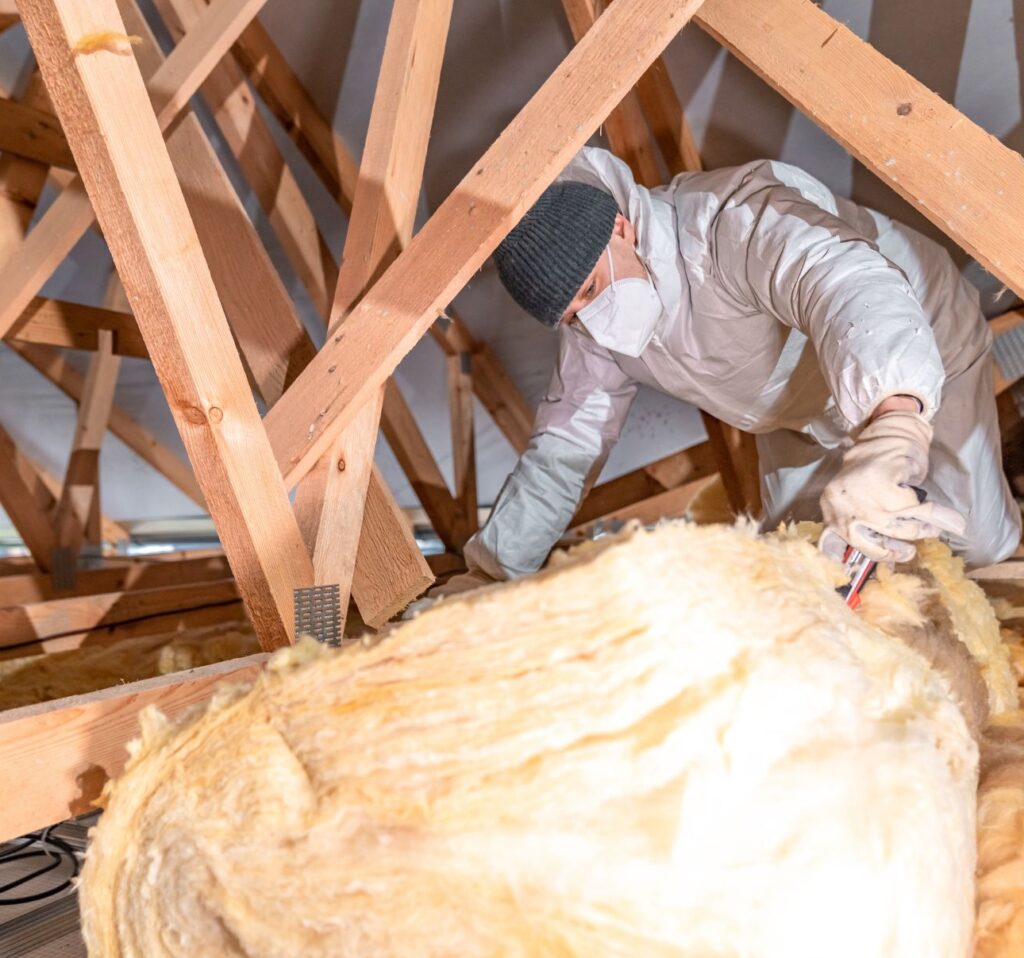
If you’re looking to improve the energy efficiency of your home, loft insulation is one of the most straightforward options. This involves insulation in the loft space, which will reduce the heat lost through the roof spaces as hot air rises, helping you save on energy bills. But one important factor to consider is the thickness of the insulation. So how thick should your loft insulation be? And why does this matter?
How thick should loft insulation be?
For most UK homes, the recommended depth of loft insulation depends on the type of insulation being used. With the commonly used mineral wool rolls, around 270mm of insulation is generally recommended for loft insulation at ceiling level.
However, the correct depth isn’t necessarily the same for every property. The existing insulation, loft construction and intended use of the space should all be considered before adding more material. Working with a professional team can help ensure that you get the right results for your property.
Why does insulation thickness matter?
The thicker the insulation layer, the more effectively it can slow the movement of heat through the roof space, up to the point where adding more provides diminishing returns.
If your loft only has a thin layer of insulation, heat can still escape relatively easily from the rooms below, and so increasing the depth creates a greater thermal barrier, helping the property retain more warmth. This can contribute to:
- A warmer home during winter
- Lower heat loss through the roof
- Reduced energy consumption
- More consistent indoor temperatures
- Greater overall comfort
Is 270mm the recommended loft insulation depth?
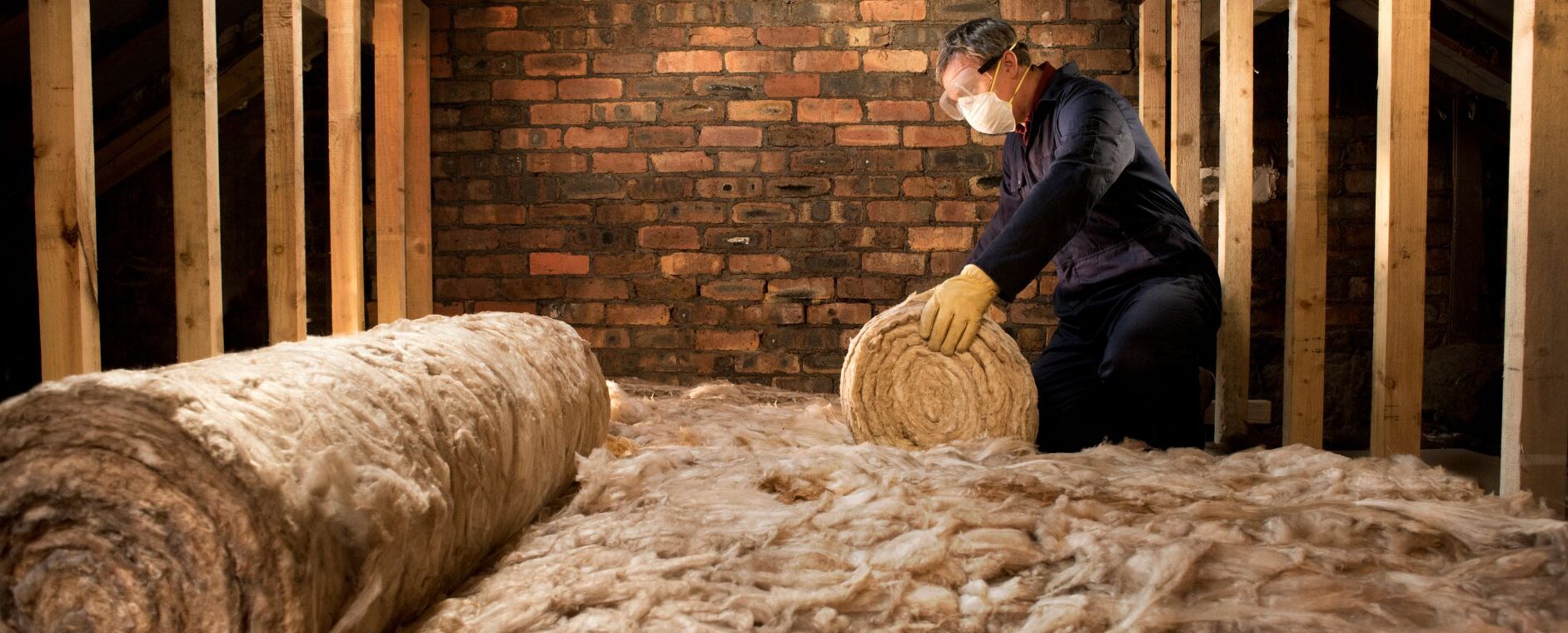
For mineral wool loft insulation, 270mm is the commonly recommended depth for insulation laid at ceiling level under current UK guidance. But this does not mean that every loft needs exactly 270mm of every type of insulation, as different materials have different thermal properties, meaning the required thickness can vary. For example, a rigid insulation board may achieve a similar level of thermal performance at a different thickness to mineral wool. As such, it is important to consider the insulation’s overall thermal performance rather than simply measuring its depth.
What if I already have loft insulation?
Many homes already have some loft insulation, particularly properties that have been insulated or renovated over the years. However, older insulation may be considerably thinner than current recommendations.
If you can safely access your loft, you may be able to check the approximate depth of the existing insulation. If it is only a few centimetres deep, there may be an opportunity to improve the property’s thermal performance by adding another layer.
In many cases, existing insulation does not need to be removed if it is dry, clean and in good condition. Instead, additional insulation can be installed to increase the overall depth.
A professional installer can assess whether the existing material is suitable for topping up.
Does thicker insulation always mean better insulation?
Not necessarily. Increasing insulation thickness generally improves thermal performance, but there comes a point where additional material offers smaller improvements compared with the initial layers. There are also practical considerations when increasing the depth of loft insulation. For example, very deep insulation can affect:
- Loft storage areas
- Access to electrical equipment
- Ventilation around the roof
- The height of the loft space
- The position of raised walkways or boarding
What about using the loft for storage?
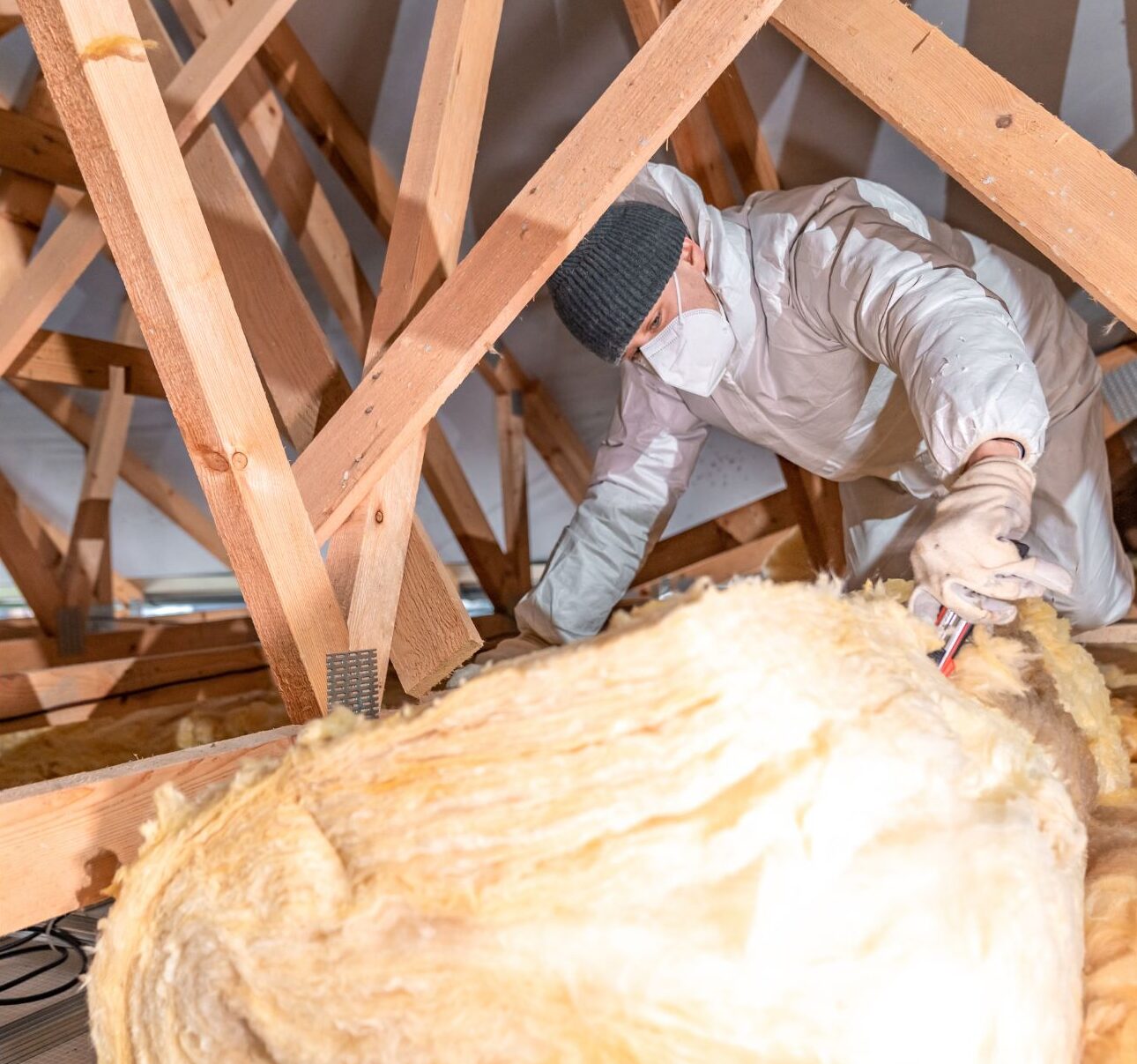
If you want to use your loft for storage, the recommended insulation depth can create a practical challenge. This is because standard loft insulation is usually installed across the ceiling between and over the joists. This means that if you place boards directly on top, they may compress the insulation and reduce its effectiveness.
As a result, a better approach is often to raise the storage platform above the insulation, allowing the recommended depth of insulation to remain undisturbed underneath. This provides usable storage space without unnecessarily compromising thermal performance.
Should insulation go between the rafters instead?
The correct position for loft insulation depends on how the loft is intended to be used.
If the loft is simply a cold roof space used for occasional storage, insulation is commonly installed at ceiling level. This separates the heated part of the home from the unheated loft.
If you’re converting the loft into a habitable room, the approach is different. Insulation may need to be installed along the roof slope between and underneath the rafters to create a properly insulated living space. Loft conversions therefore require a different insulation strategy from a standard loft.
Which loft insulation is best?
There isn’t one material that is right for every property. Mineral wool is one of the most commonly used options because it is relatively easy to install and is available in rolls and different thicknesses. Other options include:
- Sheep’s wool insulation
- Rigid insulation boards
- Loose-fill insulation
- Wood fibre and other natural insulation materials
The best choice depends on the loft itself, the property’s construction, the required thermal performance and whether the building has any specific breathability requirements.
If you’re looking for a reputable, trusted team to help improve your home’s loft insulation, get in touch with ECO Home Insulation today.