

If you’re thinking about making your home more energy efficient, loft insulation is one of the most popular choices. But what is loft insulation, and what kind of benefits can you expect from choosing a professional team to install it?
So what is loft insulation?
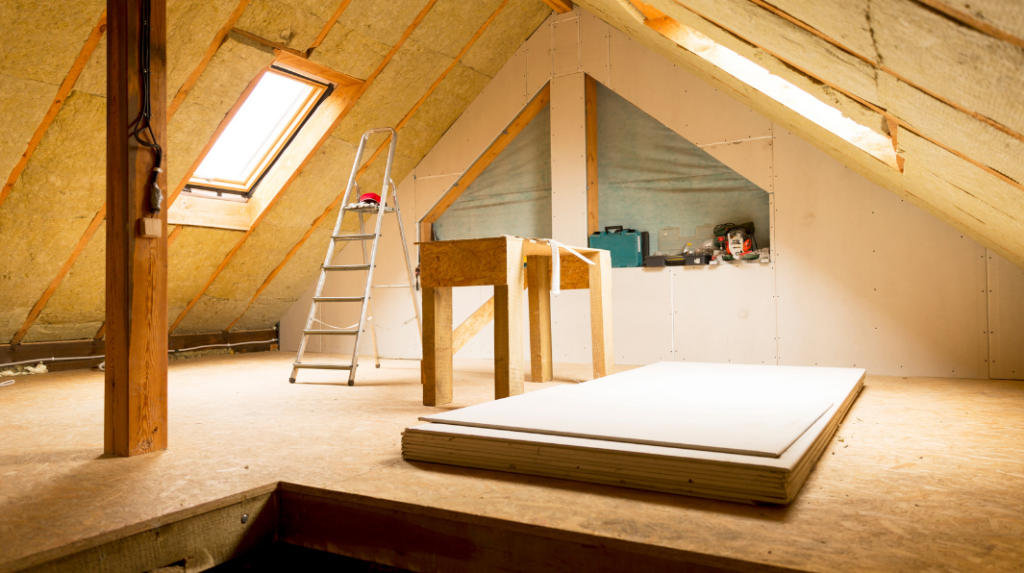
Loft insulation is a layer of insulating material installed in the roof space of a property to reduce heat loss. It works by slowing the movement of heat through the ceiling, helping to keep warm air inside the home for longer.
As heat naturally rises, an uninsulated loft can be one of the biggest sources of energy loss in a property. As a result, installing loft insulation is considered one of the simplest and most cost-effective ways to improve a home’s energy efficiency.
Whether you live in a modern house or a period property, loft insulation can play an important role in creating a warmer, more comfortable home.
How does it work?
Loft insulation creates a thermal barrier between your living space and the roof above. During the winter, it helps prevent warm air from escaping through the ceiling, while in the summer it can slow the transfer of heat into the home.
Rather than producing heat itself, insulation helps retain the warmth generated by your heating system, allowing your home to stay at a comfortable temperature for longer. This means your boiler or heating system doesn’t need to work as hard, helping to reduce energy consumption.
What materials are used for loft insulation?
There are several different types of loft insulation available, each suited to different roof spaces and property types. Some of the most common options include:
- Mineral wool, made from glass or rock fibres
- Sheep’s wool, a natural and breathable alternative
- Rigid insulation boards for specific applications
- Loose-fill insulation for awkward or difficult-to-reach spaces
The most suitable material will depend on factors such as the design of your loft, accessibility and whether the space is used for storage.
What are the benefits?
Installing loft insulation offers a range of advantages beyond simply reducing heat loss. Some of the main benefits include:
- Lower heating bills through improved energy efficiency
- A warmer home during colder months
- Reduced carbon emissions from lower energy use
- More consistent indoor temperatures
- Improved comfort throughout the property
Because loft insulation requires relatively little disruption to install, it is often one of the first energy efficiency improvements homeowners choose to make.
Is every loft suitable for insulation?
Most lofts can be insulated, although the installation method may vary depending on the property’s construction. The factors that are usually considered include:
- The type of roof structure
- Whether the loft is boarded or used for storage
- Existing insulation levels
- Access to the loft space
- The condition of the roof and any signs of damp
Before installing insulation, it’s important to ensure the roof is in good condition and that adequate ventilation is maintained to help prevent condensation.
In summary:
- Loft insulation slows heat loss through the roof.
- It helps keep homes warmer and more energy efficient.
- Several insulation materials are available to suit different properties.
- Most homes can benefit from installing or upgrading loft insulation.
- Combining loft insulation with other energy-saving measures provides the greatest overall benefits.
For many homeowners, loft insulation is one of the quickest and most effective ways to improve the performance of their property. When installed correctly, it can provide long-lasting benefits for both your home and your energy bills.
If you’re looking for a reputable, trusted team to install or upgrade your loft insulation, get in touch with ECO Home Insulation today.