


Rather than allowing warmth to escape during the winter or unwanted heat to enter during the summer, insulation works as a barrier to help maintain a more consistent indoor temperature throughout the year. But how does this improve energy efficiency? And what can you expect from high quality insulation?
Why does heat escape from a home?
Heat naturally moves from warmer areas to colder ones. During the colder months, the warm air inside your home constantly tries to escape through the building’s structure. As such, without adequate insulation, heat can be lost through several areas, including:
- The roof and loft
- External walls
- Ground floors
- Windows and doors
This means that even if you have an efficient boiler or heat pump, much of the warmth it produces can be wasted if your home isn’t properly insulated.
How does insulation help retain heat?
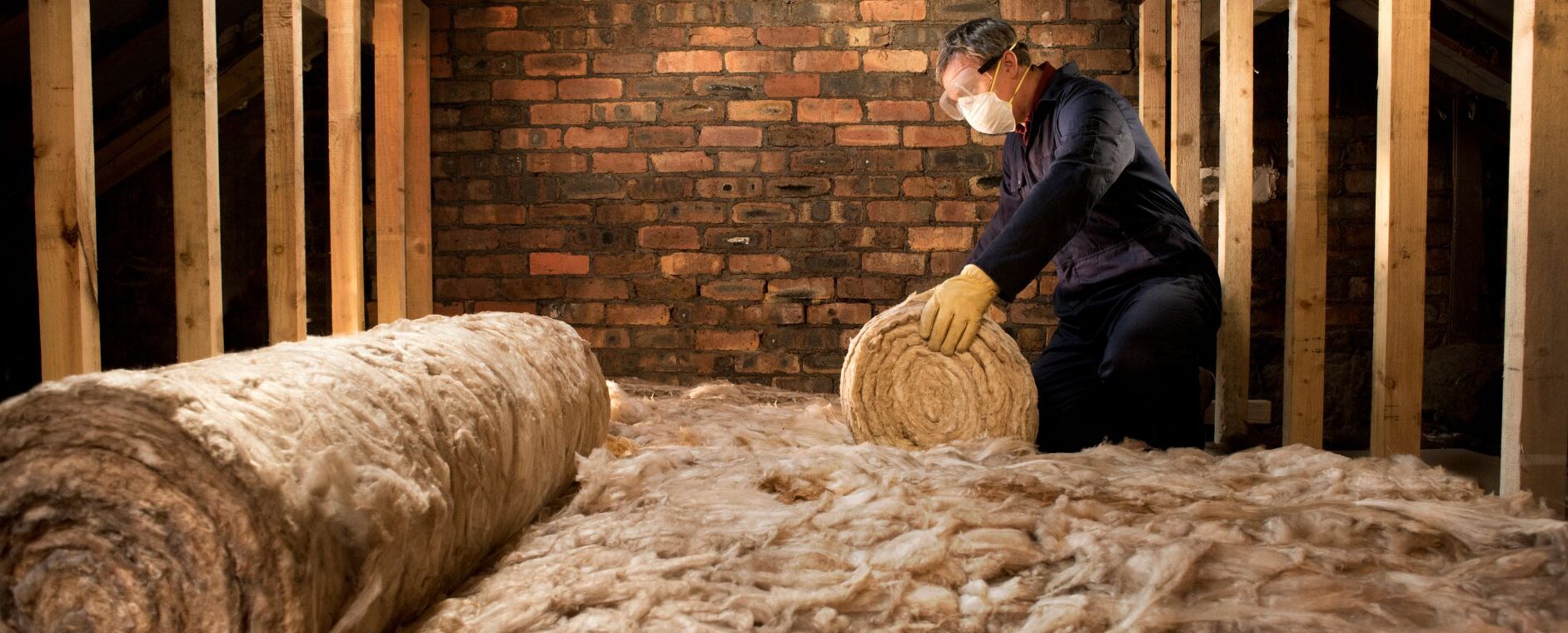
The main role of insulation is to act as a barrier that slows the transfer of heat. This helps keep the heat your heating system has already produced inside your home for longer. As a result, by reducing heat loss, insulation helps maintain a more stable indoor temperature, meaning your heating doesn’t need to switch on as frequently. Over time, this improved thermal performance can lead to:
- Lower energy usage
- Reduced heating bills
- A warmer, more comfortable living environment
- Less reliance on your heating system
Different types of insulation contribute in different ways
There are several forms of insulation available, each designed to reduce heat loss from a particular part of the property. Some of the most common insulation measures include:
- Loft insulation to reduce heat escaping through the roof
- Cavity wall insulation for homes with cavity walls
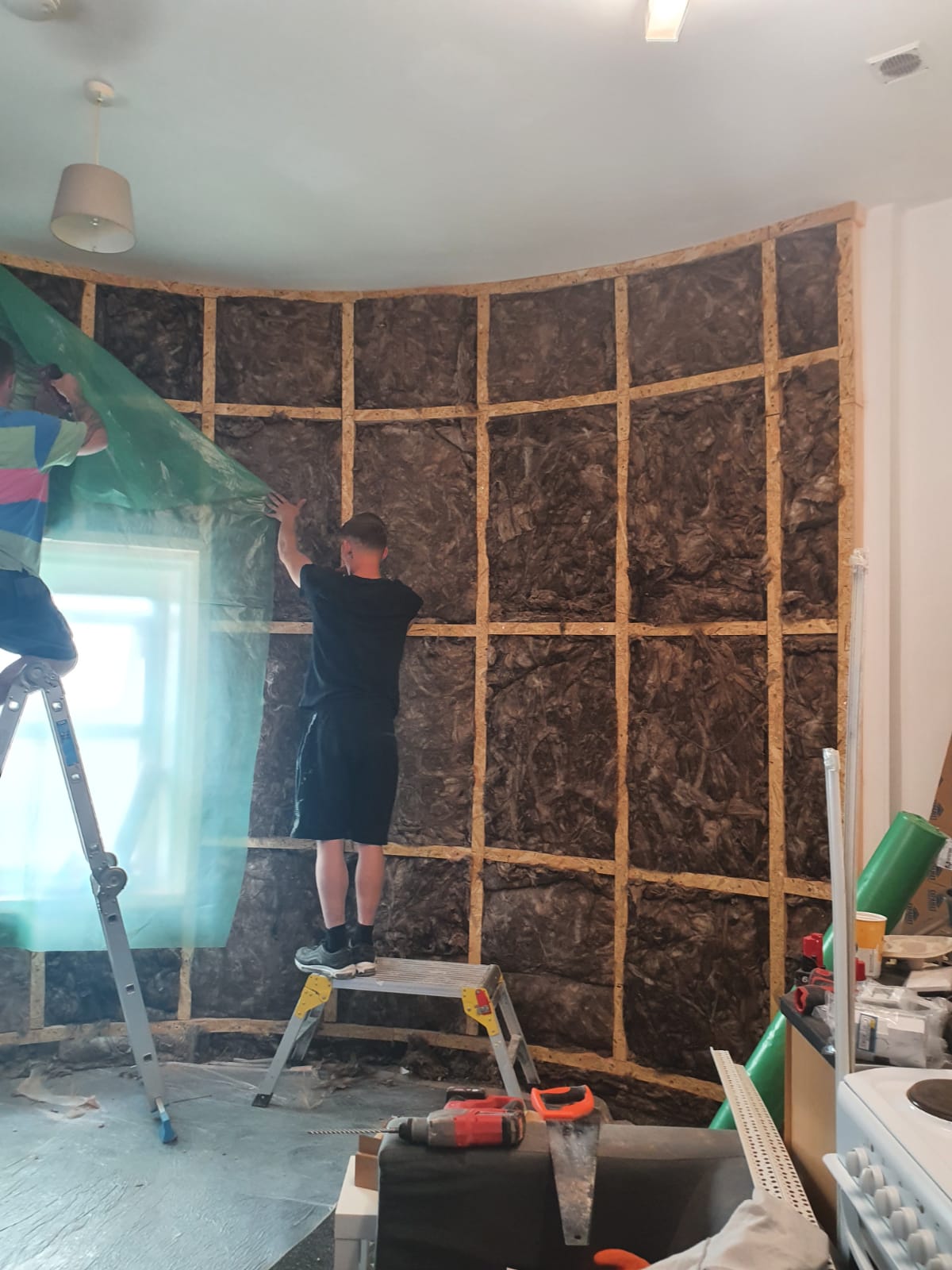
- Internal or external wall insulation for solid wall properties
- Floor insulation to reduce heat loss through suspended or solid floors
When combined, these improvements can help to create a more energy-efficient building by addressing multiple sources of heat loss.
Reducing energy consumption
One of the biggest benefits of insulation is that it allows your heating system to operate more efficiently. When heat is retained inside the property, your boiler or heat pump doesn’t need to produce as much energy to maintain your preferred temperature. This means less fuel or electricity is used over time. As a result, if you are looking to improve your property’s energy performance, insulation is often considered one of the most cost-effective long-term investments.
Improving comfort throughout the year
Energy efficiency also has a noticeable impact on how comfortable your home feels. Because a well-insulated property is more likely to maintain an even temperature, you are less likely to experience cold spots and sudden temperature changes between rooms. In fact, some of the everyday benefits include:
- Warmer rooms during winter
- A cooler home during hot weather
- More consistent indoor temperatures
- Less need to constantly adjust the heating
Getting the best results from your insulation
While insulation plays a major role in improving energy efficiency, it works best as part of a wider approach to home improvements. This may include:
- Installing loft insulation
- Insulating suitable walls
- Sealing unwanted draughts
- Using efficient heating controls
- Maintaining good ventilation
So how does insulation improve energy efficiency?
Insulation improves energy efficiency by reducing the amount of heat that escapes from your home. By slowing heat transfer through the roof, walls and floors, it helps your heating system use less energy to maintain a comfortable indoor temperature.
Whether you’re upgrading an older property or improving a newer home, investing in insulation is one of the most effective ways to increase energy efficiency, improve comfort and reduce your overall energy use.
If you’re looking for a reputable, trusted team to help improve your home’s energy efficiency, get in touch with ECO Home Insulation today.