

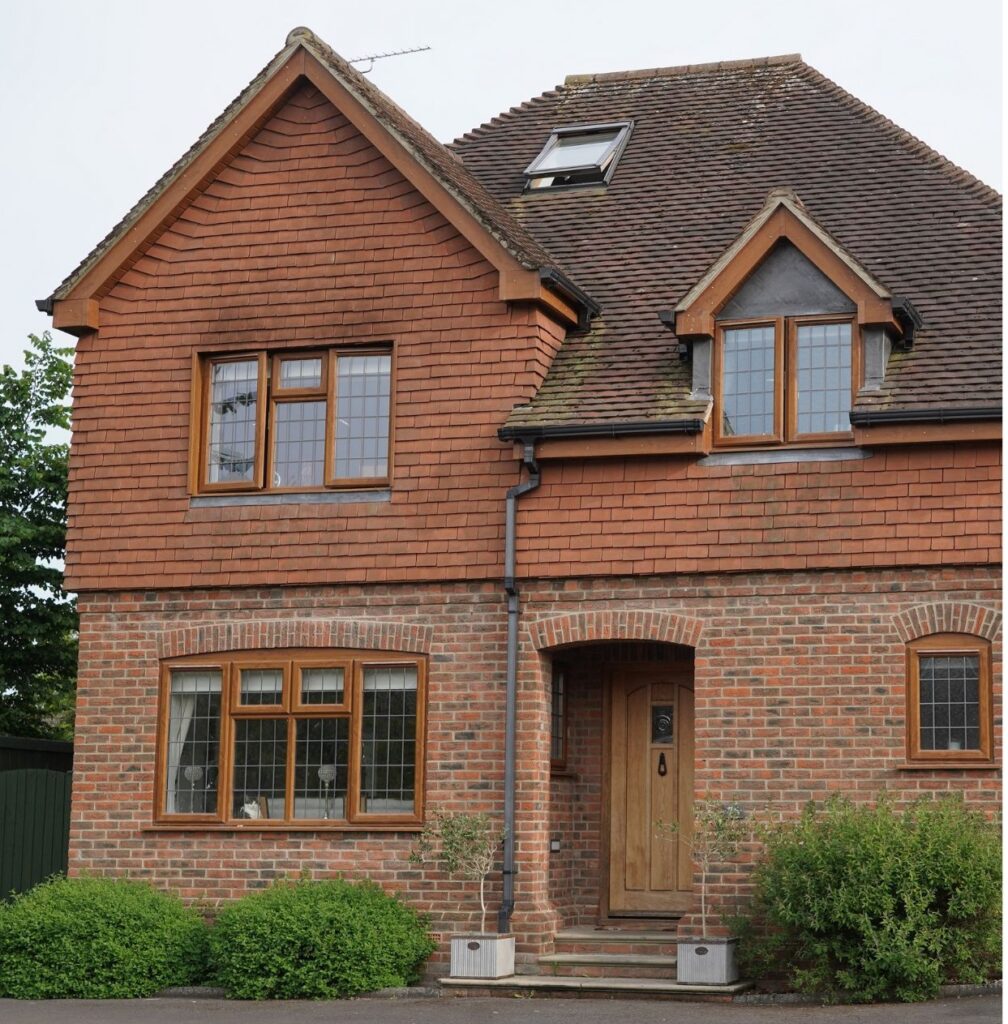
Insulating an older property in the UK can be more complex than insulating a modern home. This is because many older houses, particularly those built before the 1920s, were constructed with solid walls, breathable materials and traditional building methods. As a result, the “best” insulation for older properties is not a single product, but a combination of methods and materials chosen carefully to suit the building and your individual requirements.
Understanding older houses
Older UK homes often have solid walls rather than cavity walls. This means that there is no gap to fill with insulation, and so these solid walls can lose heat quickly compared to modern insulated walls. They are also usually breathable, allowing moisture to pass through the structure.
This is important because using the wrong insulation, especially non-breathable materials, can trap moisture and lead to damp or mould problems. As a result, a suitable approach must balance thermal performance, breathability and ventilation.
Loft insulation
For almost all homes, including older ones, loft insulation is the simplest and most cost-effective upgrade. Heat rises through your home and so a large proportion of heat loss can occur through an uninsulated roof. The common materials for loft insulation include:
- Mineral wool (glass or rock fibre)
- Sheep’s wool (more breathable and suited to period homes)
- Loose-fill insulation for awkward spaces
Current UK guidance recommends around 270mm thickness for effective insulation.
Internal wall insulation
For older UK homes with solid walls, internal wall insulation (IWI) is one of the most practical and widely used ways to improve energy efficiency. Because many period properties cannot be altered externally, due to planning restrictions or to preserve their appearance, internal wall insulation is often the preferred option.
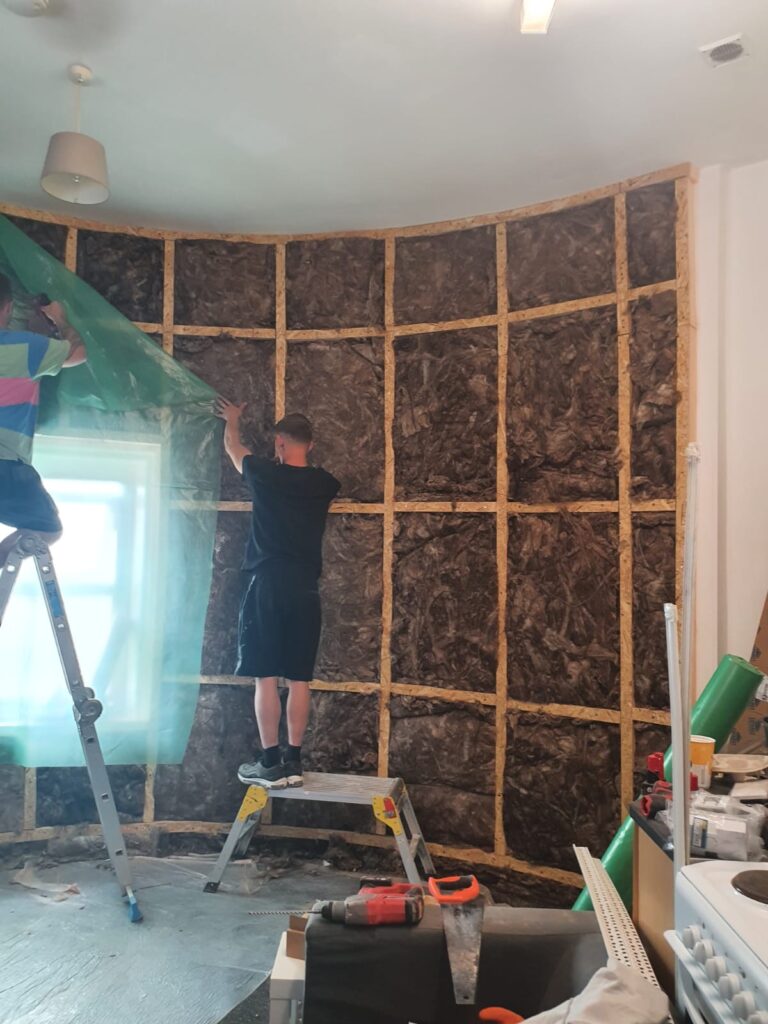
This is a process that involves fixing insulation boards or building a stud wall on the inside of external walls. While it does slightly reduce room size, it can make a noticeable difference to warmth and comfort. In fact, some of the advantages of IWI include:
- Typically more affordable than external insulation
- Suitable for listed buildings or properties in conservation areas
- Can be installed room by room, making it easier to manage costs
- Improves thermal comfort quickly, especially in colder rooms
Modern systems are also designed with older buildings in mind. Breathable materials such as wood fibre boards or lime-based plasters can help maintain the natural movement of moisture through solid walls, reducing the risk of damp issues.
Internal insulation is particularly effective when combined with other measures such as draught-proofing and loft insulation. While it may not completely eliminate heat loss through walls, it significantly reduces it and can make rooms feel much warmer.
The importance of ventilation and moisture control
One aspect that you shouldn’t overlook is the role of ventilation and moisture control. Poorly installed insulation can lead to damp, condensation and even structural damage if moisture becomes trapped. As such, experts recommend:
- Ensuring good ventilation in lofts and under floors
- Avoiding insulation in areas with existing damp
- Using vapour-permeable materials where appropriate
Getting this balance right is essential in older UK homes.
Taking a whole-house approach
For any older property, the best insulation strategy is one that combines a number of approaches, including:
- Loft insulation
- Addressing draughts and gaps
- Install internal wall insulation where appropriate
Taking a staged approach allows you to improve comfort while managing cost and disruption.
So what is the best insulation for old houses in the UK?
There is no single “best” insulation for old houses in the UK. Instead, the most effective approach depends on your property’s construction, condition and budget. However, in general:
- Loft insulation offers the best value and should be done first
- Internal wall insulation provides a practical and effective improvement for solid walls
- Breathable materials are often best for traditional buildings
- A whole-house approach ensures the best results
Careful planning and, where necessary, professional advice are important to avoid problems such as damp or poor ventilation. When done correctly, insulation can significantly improve comfort, reduce energy bills and help preserve the character of older homes.
If you’re looking for a reputable, trusted team for your home insulation, get in touch with ECO Home Insulation today.